
Cheap Cars?, What it actually means: A Guide to Smart Vehicle Ownership
When you see a listing for Cheap Cars?, What it actually means is often a subject of intense debate among buyers and sellers alike. For some, a “cheap” car is a bargain find that saves thousands upfront, while for others, it represents a looming financial disaster waiting to happen.
Finding a budget-friendly vehicle requires a balance between the sticker price and the long-term cost of operations. When searching for Cheap Cars?, What it actually means in a practical sense is finding “value” rather than just the lowest possible price tag.
Understanding the difference between a low-priced vehicle and a cost-effective one is the first step toward successful ownership. In this guide, we will break down the realities of the budget car market and how to navigate it without getting burned.
The Psychology of the Low Price Tag
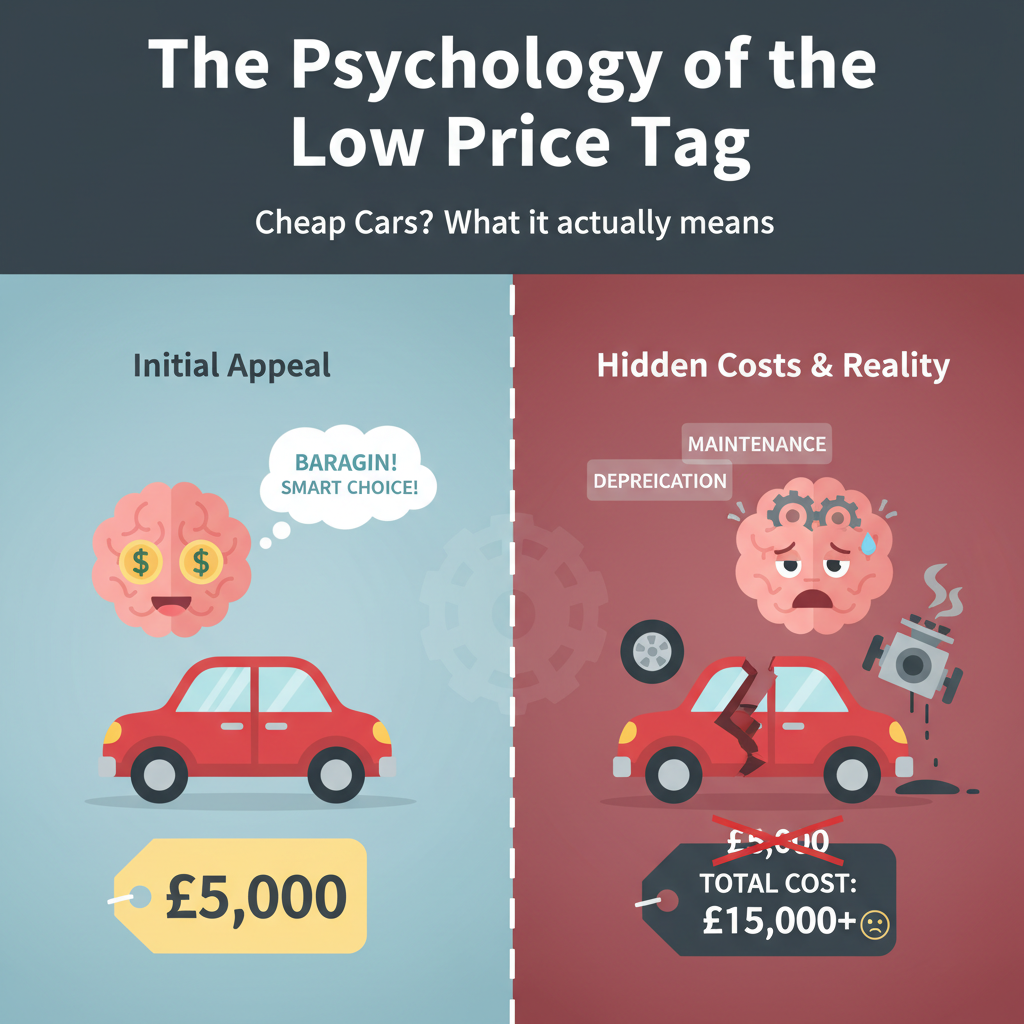
When people search for Cheap Cars?, What it actually means usually involves a desire for immediate mobility at an accessible price. However, the initial purchase price is only a fraction of the total cost of ownership (TCO).
According to recent consumer reports on vehicle depreciation, some cars are cheap because they lose value faster than their peers. A vehicle might have a low entry price but could cost you double in repairs within the first year.
In markets like Nairobi, the definition of “cheap” changes based on fuel economy and spare parts availability. Many buyers looking for the Best Second-Hand Cars for Nairobi Traffic (Fuel Efficient & Reliable) realize that paying slightly more for a Toyota often results in a “cheaper” experience over three years than buying a less popular brand.
Defining Value: Cheap Cars?, What it actually means
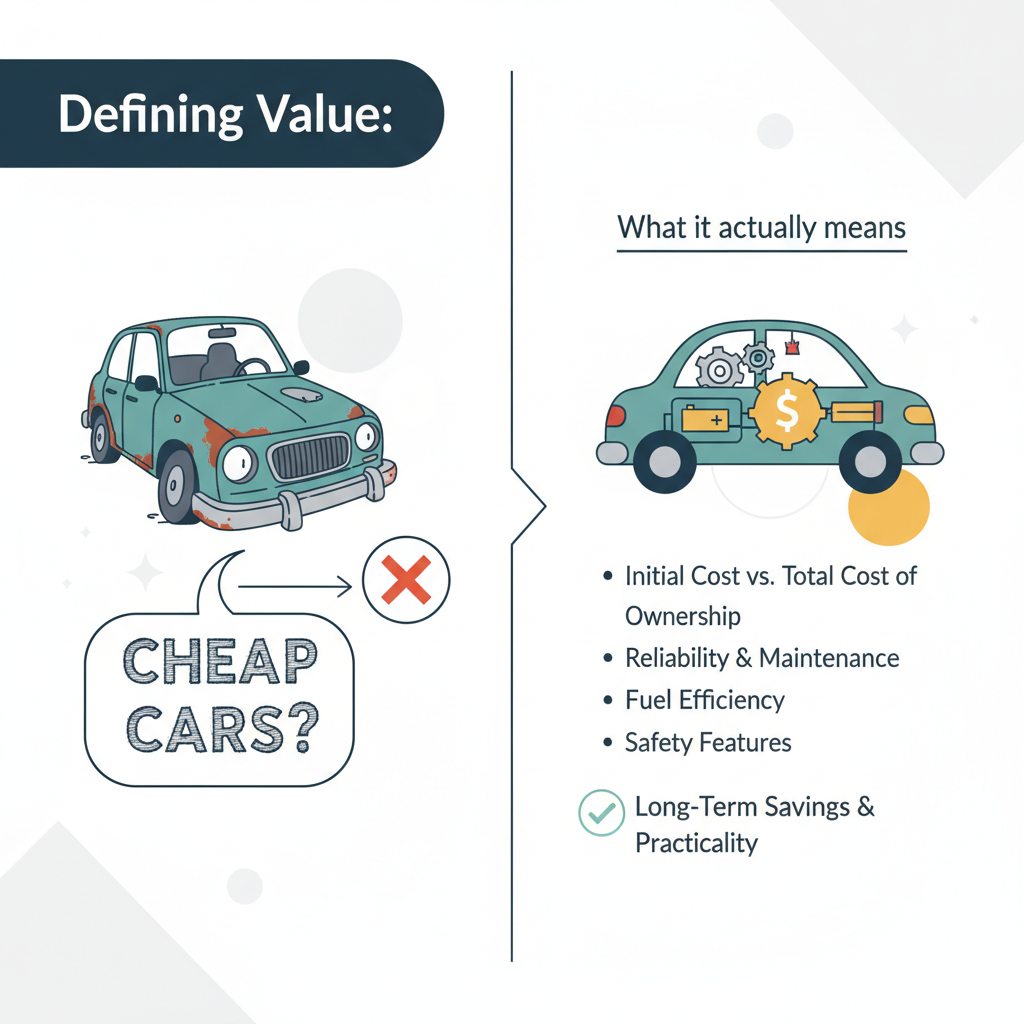
To truly understand Cheap Cars?, What it actually means, one must look at the mechanical health and history of the vehicle. A car is only cheap if its maintenance schedule is manageable and its engine health is verified.
1. Purchase Price vs. Total Cost
A car priced at KSh 500,000 might seem better than one at KSh 700,000. However, if the first car requires a full engine overhaul and new suspension, the “cheap” car quickly becomes the more expensive option.
2. Maintenance and Spare Parts
Cheap Cars?, What it actually means in the Kenyan context often boils down to how easily you can find a mechanic in Kirinyaga Road who knows the engine. European models may be “cheap” to buy used, but their specialized parts make them expensive to keep on the road.
3. Fuel Efficiency
With rising pump prices, a gas-guzzling V8 is never truly cheap. If you are comparing Toyota vs Nissan vs Mazda: Which Japanese Brand Lasts Longest in Kenya?, you will find that fuel economy is a major factor in determining true long-term costs.
Why Some Cars Are Listed So Low
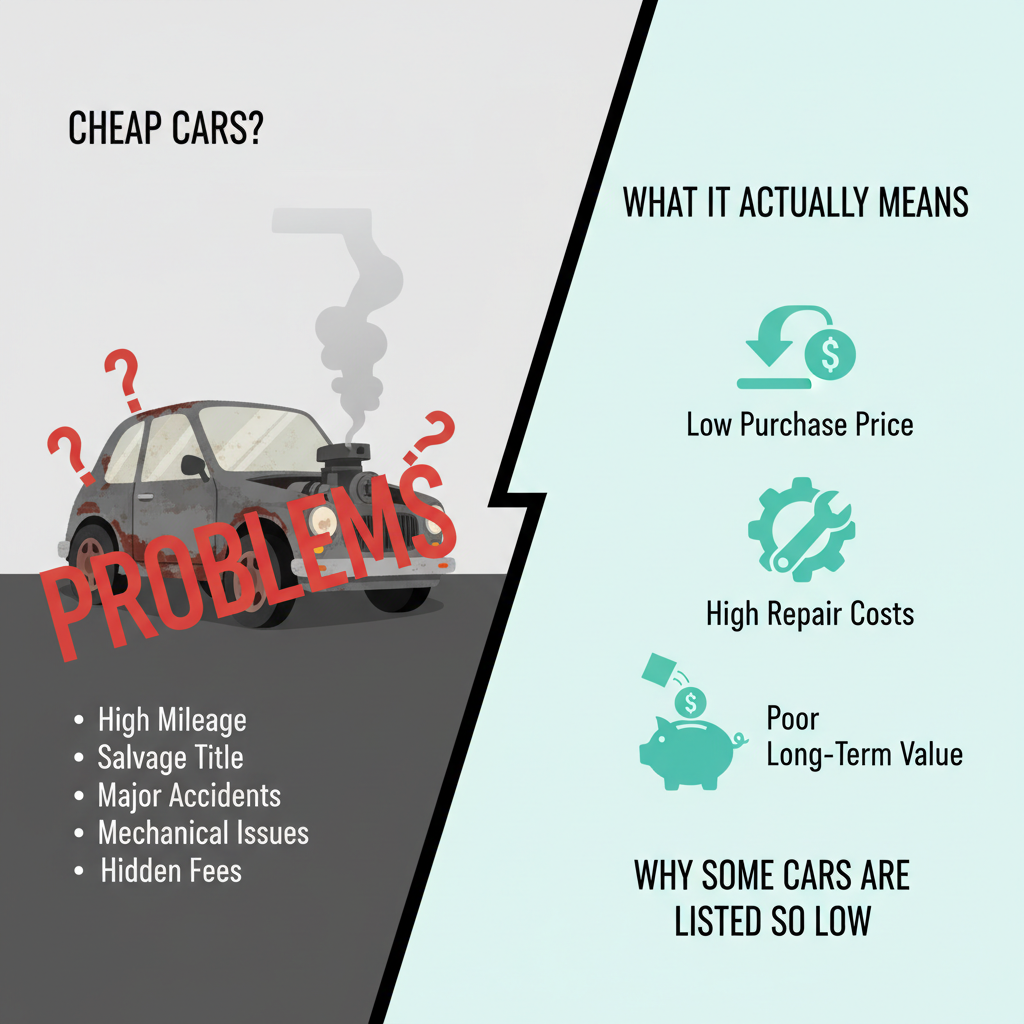
If you stumble upon remarkably Cheap Cars?, What it actually means is usually one of three things: high mileage, hidden mechanical issues, or legal complications.
High mileage isn’t always a dealbreaker. If you are wondering Is It Worth Buying a Car with Over 200,000 KM in Kenya?, the answer depends entirely on the service history. A well-maintained high-mileage car can be a better deal than a neglected low-mileage one.
However, many “cheap” listings are bait for unsuspecting buyers. This is why understanding Common Mistakes First-Time Car Buyers Make in Nairobi is crucial. Often, these ultra-low prices are used to move salvaged vehicles or cars with “gray” documentation that will cause headaches at the NTSA.
How to Verify if a Cheap Car is a Good Deal
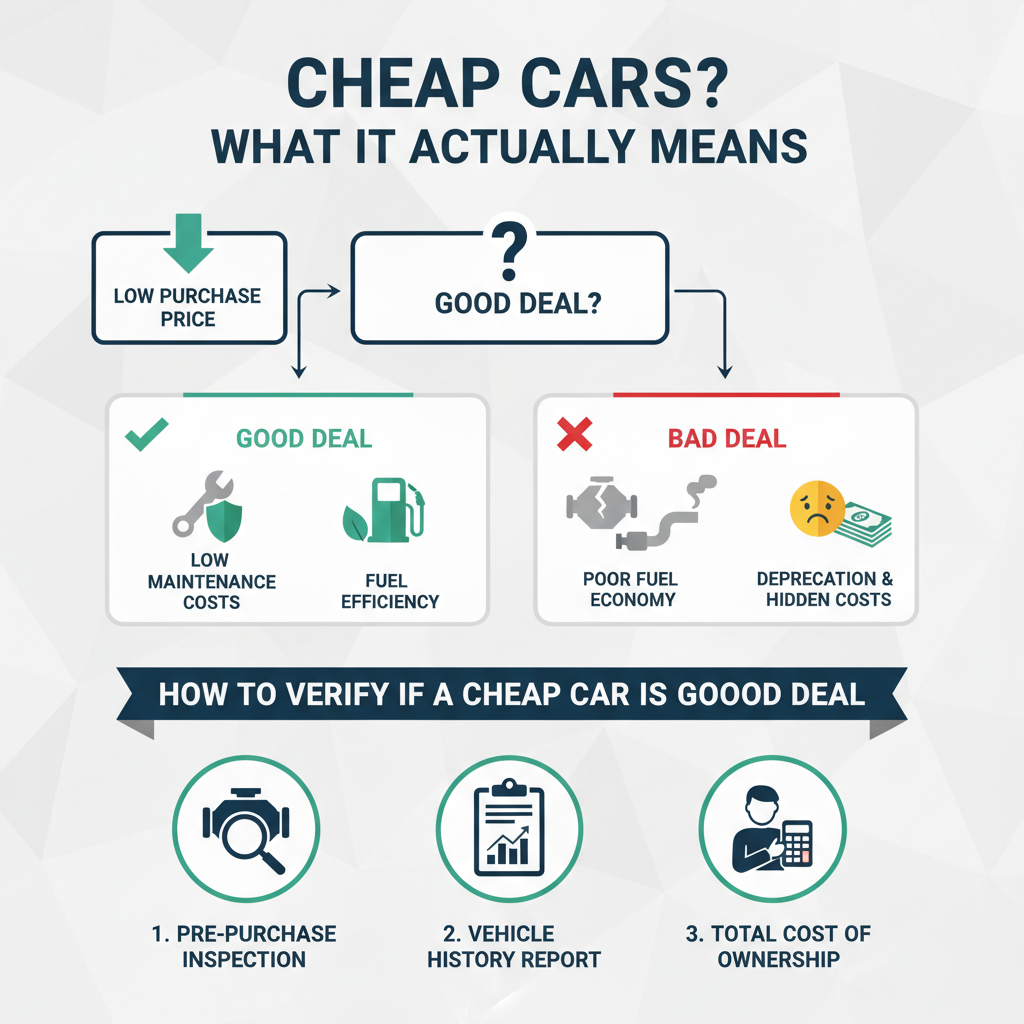
When investigating Cheap Cars?, What it actually means to you is doing your due diligence. Never buy a car based on photos alone.
Check the Logbook: Ensure the seller has the legal right to sell. You should know What Documents You Need When Buying a Used Car in Kenya (NTSA Guide) before handing over any cash. Mechanical Audit: Follow a strict protocol. Using a How to Inspect a Second-Hand Car Before Buying (Mechanic Checklist) can save you from buying a “lemon.” * Market Comparison: Compare prices across different regions. For instance, exploring the Best Areas to Buy Second-Hand Cars in Nairobi (Industrial Area vs Ngara vs Online) can give you a better sense of the actual market rate.
Cheap Cars?, What it actually means Across Different Brands
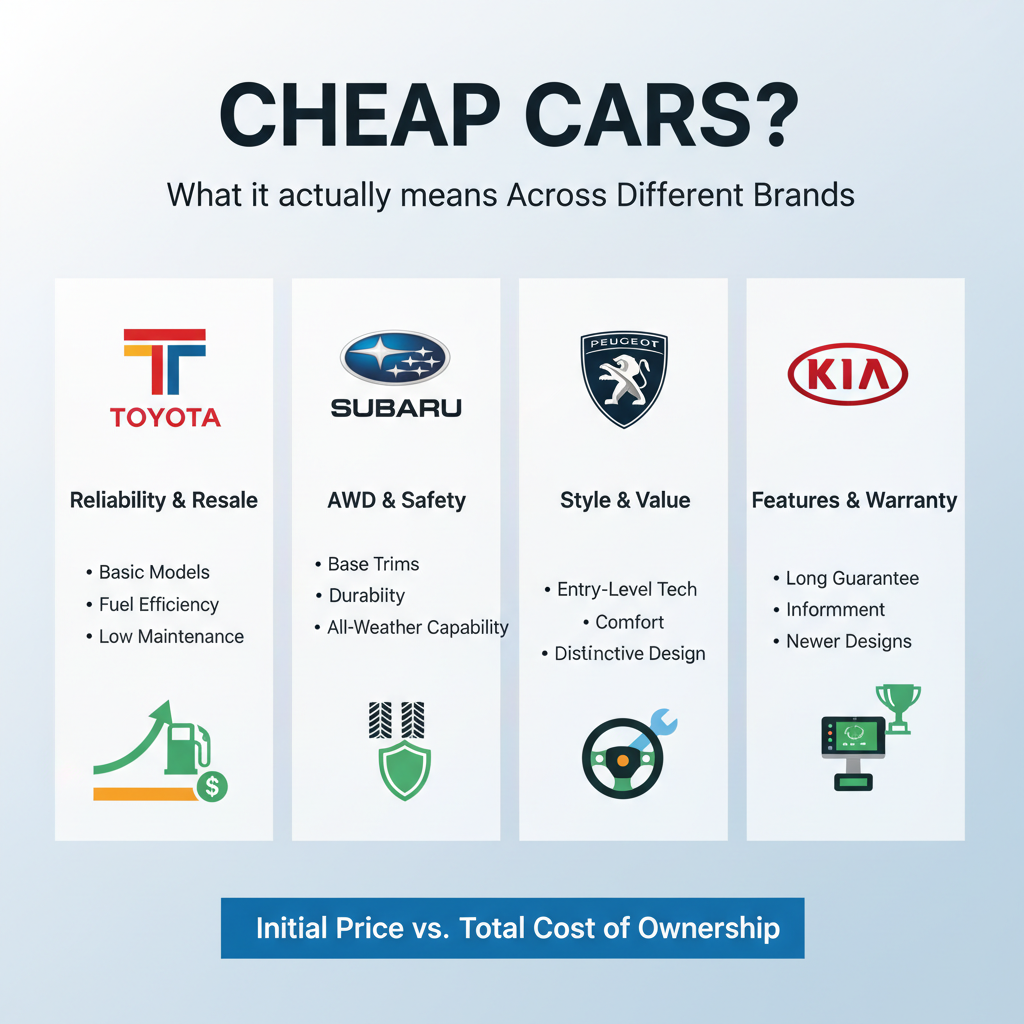
In the world of Cheap Cars?, What it actually means can vary wildly by manufacturer. Japanese brands like Toyota tend to hold their value, making them harder to find at “cheap” prices. Conversely, brands with less local support might be priced lower to attract buyers.
If you are looking for the Best Family Cars Under KSh 1 Million in Kenya (2026), you’ll notice that “cheap” usually refers to older models of highly reliable vehicles rather than newer models of unreliable ones.
Reliability is the ultimate “cheap” feature. According to the Federal Trade Commission’s guide on buying used cars, a vehicle that doesn’t break down is the most affordable vehicle you can own.
Negotiation and the “Cheap” Factor
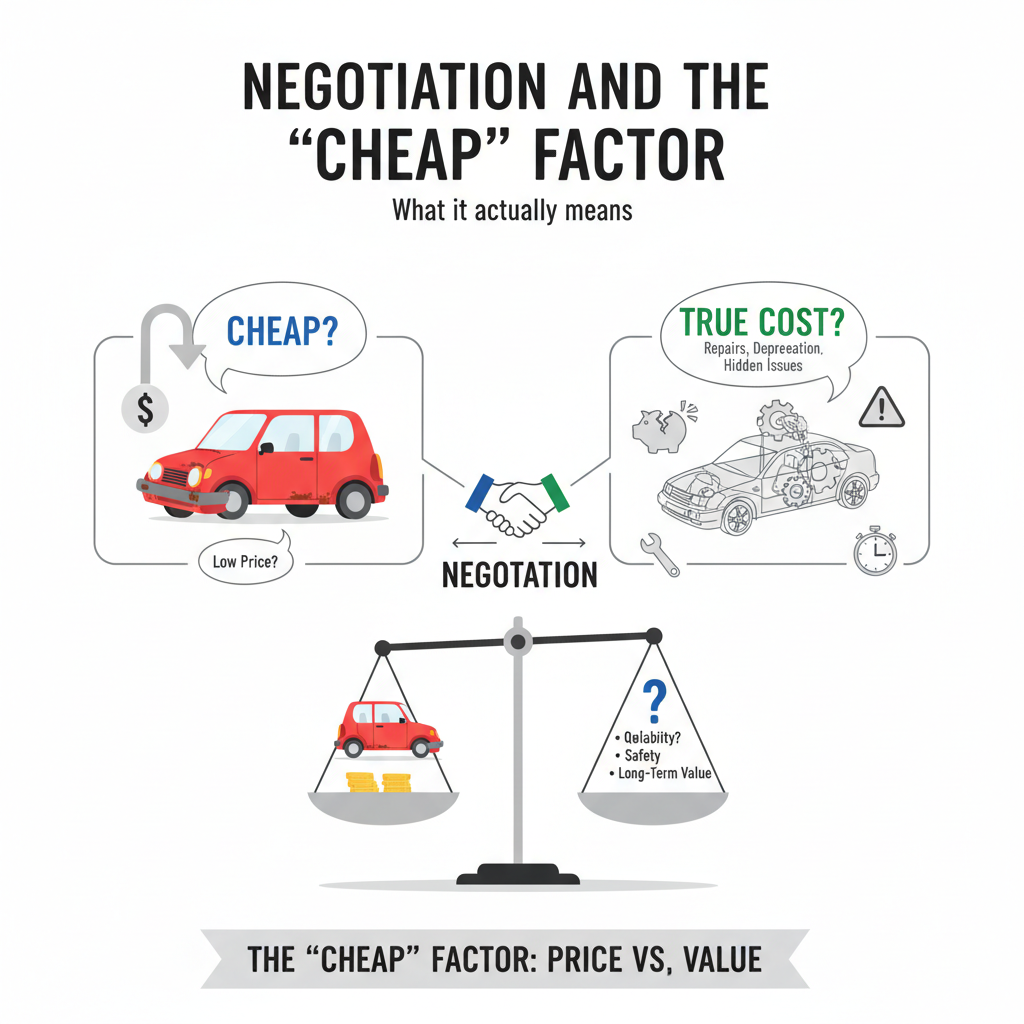
Don’t be afraid to talk down the price. When looking at Cheap Cars?, What it actually means is having enough room in your budget for initial repairs. Knowing How Much Should You Negotiate on a Used Car in Kenya? (Real Price Ranges) will help you secure a deal that leaves you with enough “repair fund” money.
Imported vs. Locally Used: Decoding the Price
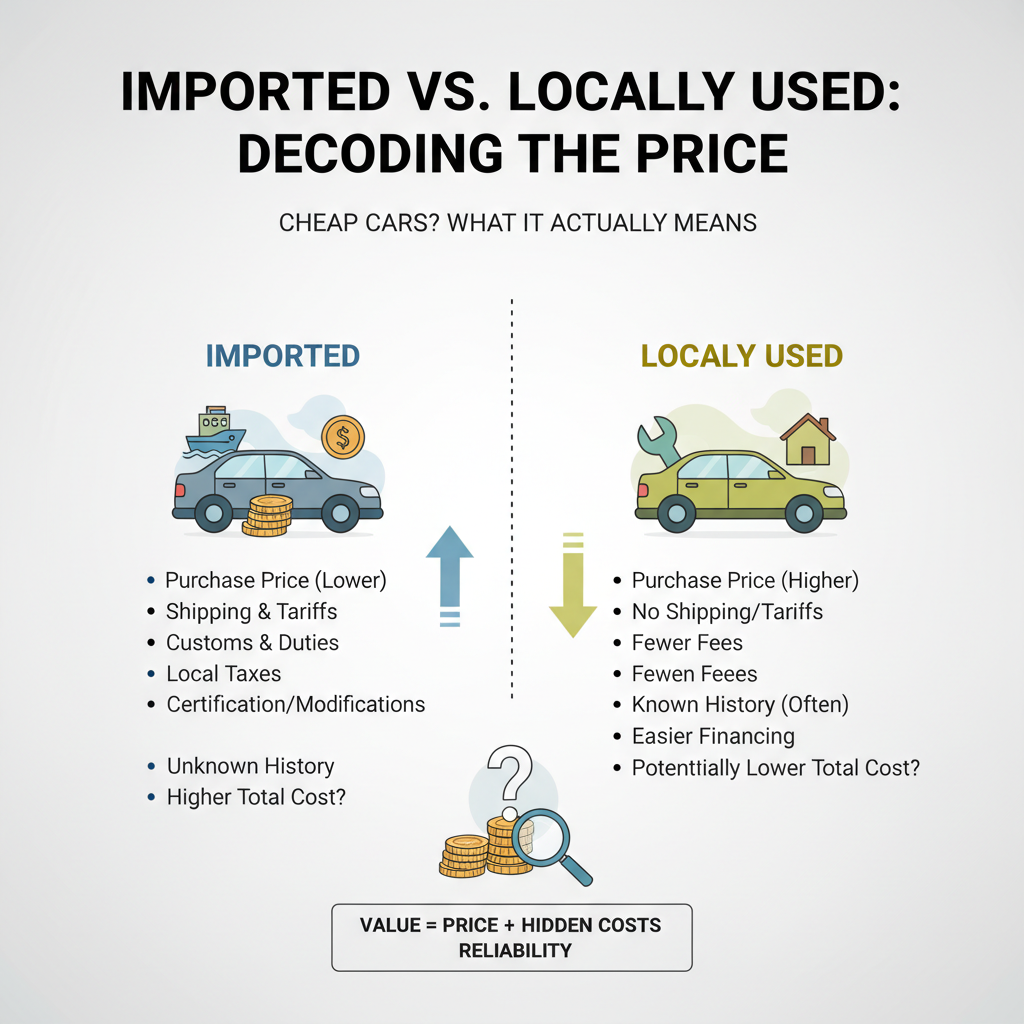
Another layer of Cheap Cars?, What it actually means is the origin of the vehicle. Locally used cars are often cheaper upfront than fresh imports. However, you must weigh the wear and tear of Kenyan roads against the higher price of an import.
Deciding Imported Vs Locally Used Cars in Kenya: Which One Should You Buy? is a pivotal moment in your search for a budget-friendly vehicle. Often, the “cheap” locally used car has suspension issues that the “expensive” import does not.
Final Thoughts on “Cheap” Vehicles
Ultimately, when we discuss Cheap Cars?, What it actually means is subjective. It is a combination of a fair purchase price, low insurance premiums, affordable spare parts, and high fuel efficiency.
By looking past the initial sticker price and researching The Best Secondhand Cars To Buy in Nairobi, you can find a vehicle that fits your budget today and doesn’t drain your bank account tomorrow.
FAQ: Understanding the Cheap Car Market
1. Is it safe to buy “cheap cars” from online listings? While platforms like Jiji or Facebook Marketplace offer great deals, Cheap Cars?, What it actually means in these spaces is that you must be extra vigilant. Always meet in a public place and have a mechanic verify the car’s condition before any transaction.
2. Why are some cars so cheap despite looking new? Often, this indicates a “salvage title” or a car that has been involved in a major accident. In the context of Cheap Cars?, What it actually means is that the structural integrity may be compromised, which can be dangerous.
3. What is the best mileage for a cheap used car? Ideally, look for cars between 80,000km and 120,000km. If a car is priced as one of the Cheap Cars?, What it actually means might be that it is approaching a major service interval (like a timing belt change), so factor that into your cost.
4. Does a low price mean the car will have high insurance? Not necessarily. However, older “cheap” cars might only qualify for Third Party insurance rather than Comprehensive. For Cheap Cars?, What it actually means is that while the premium is low, you carry more financial risk in the event of an accident.
5. How can I find “cheap cars” that are still reliable? Focus on brands with high parts availability. When evaluating Cheap Cars?, What it actually means for long-term reliability is sticking to models like the Toyota Vitz, Mazda Demio, or Honda Fit which are famous for their low running costs.